Unlocking biodiversity finance for women through FIRE
 Email
Email Linkedin
 Bluesky
 Mastodon
Women are already making a difference in biodiversity, but access to finance or opportunities are still a challenge. This guide explores how FIRE can help women find opportunities and support for biodiversity projects.
By An Feng
Women and girls play a vital role in biodiversity conservation, yet they remain overlooked in biodiversity finance. According to the Food and Agriculture Organization, women’s strong participation in agrifood systems shows their importance in natural resource management. In Sub-Saharan Africa, 66% of employed women work in agrifood systems. Globally, women not only represent around 40% of the global workforce but also contribute to food production in developing countries, where are estimated to produce up to 80% of the food. These figures highlight the important role of women in managing natural resources and their strong engagement in biodiversity-related activities.
Despite their crucial contribution, women still face multiple barriers in accessing resources, technology, education, training, finance, and economic opportunities. For example, Globally, just 65% of women have accounts with finance institutions and no economy currently offers equal economic opportunities for women. These gender barriers make it difficult for women to acquire knowledge and access potential opportunities and financial support. According to the UN Women, there is still a USD $ 360 billion shortfall each year to achieve the goal of gender equality by 2030.
However, this doesn’t mean the situation is hopeless. In recent years, more women-led initiatives have emerged, showing that access to support and opportunities for women in biodiversity finance is increasing.
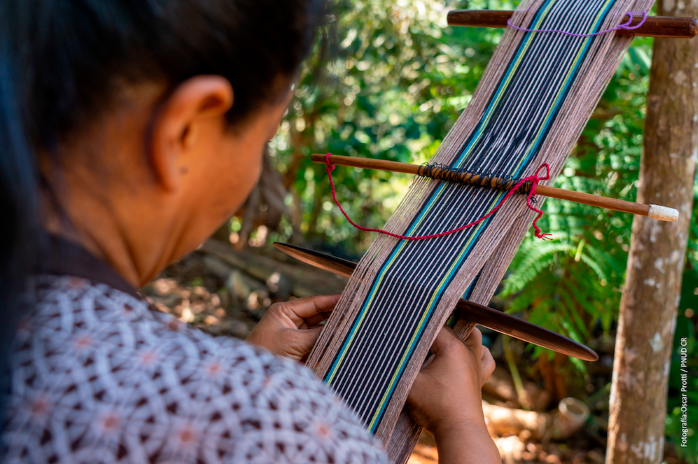 In Costa Rica, indigenous women face barriers in accessing finance due to limited education, networks and collateral, making it difficult to secure loans from traditional banks. In response, BIOFIN helped to develop a Raíces programme, which addresses this gap by providing tailored financial and technical support, enabling women-led enterprises to access funding and develop biodiversity-based business. By aligning financial solutions with local women realities, this programme has created opportunities to indigenous women to transform their own culture and natural resources into sustainable eco businesses.
In Vietnam, women have taken the lead in community-based ecotourism activities under the help of BIOFIN, protecting coral reefs while creating new income opportunities by using local resources. Some of the earnings are reinvested into conservation, showing how women can turn biodiversity into sustainable livelihoods.
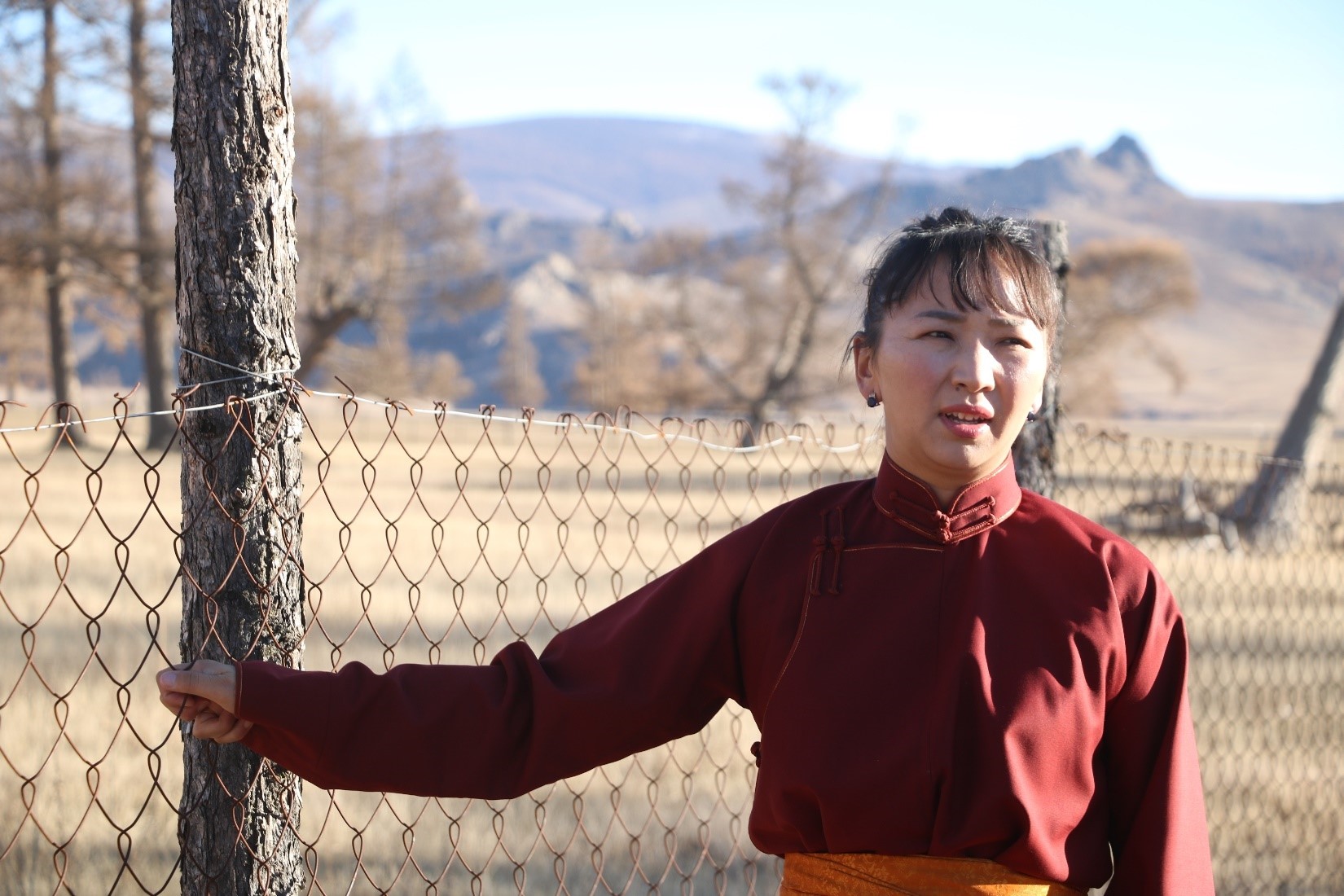 In another case, a women leader from Mongolia has played a key role in restoring degraded ecosystems while supporting local livelihoods. Ms. Odontuya Ononpuntsag utilized natural resources use fees to fund and lead local ecosystem restoration, pest control, and sustainable forest management initiatives. Her work shows how women can make a difference in both nature and communities when they have right support.
There are so many examples like this that show women have the ability to engage in and contribute to biodiversity. In many cases, women bring unique perspectives and ideas that can improve the conservation approach. For example, in Indonesia, female rangers are being trained and empowered to help combat wildlife crimes in protected areas in Indonesia while also defying gender norms. With better access to supports and opportunities, women can further unlock their potential and drive meaningful change.
Funding opportunities for women on FIRE
One key problem for women-led projects is access to finance. Women struggle to find funding opportunities, or even to know where to look for funding. This is where the Finance Resources for Biodiversity (FIRE) platform can help. FIRE helps bridge this gap by providing funding resources and generating relevant funding information for women and girls. Women can easily use FIRE to search funding opportunities related to gender or women.
Currently, FIRE has 44 gender-related opportunities out of more than 430 in total.
For example, the Yves Rocher Foundation’s Terre de Femmes Award supports women working on environmental and biodiversity projects. The programme provides financial grants, typically around $11,000, and connects women to a wider network, helping them scale their ideas into real impact.
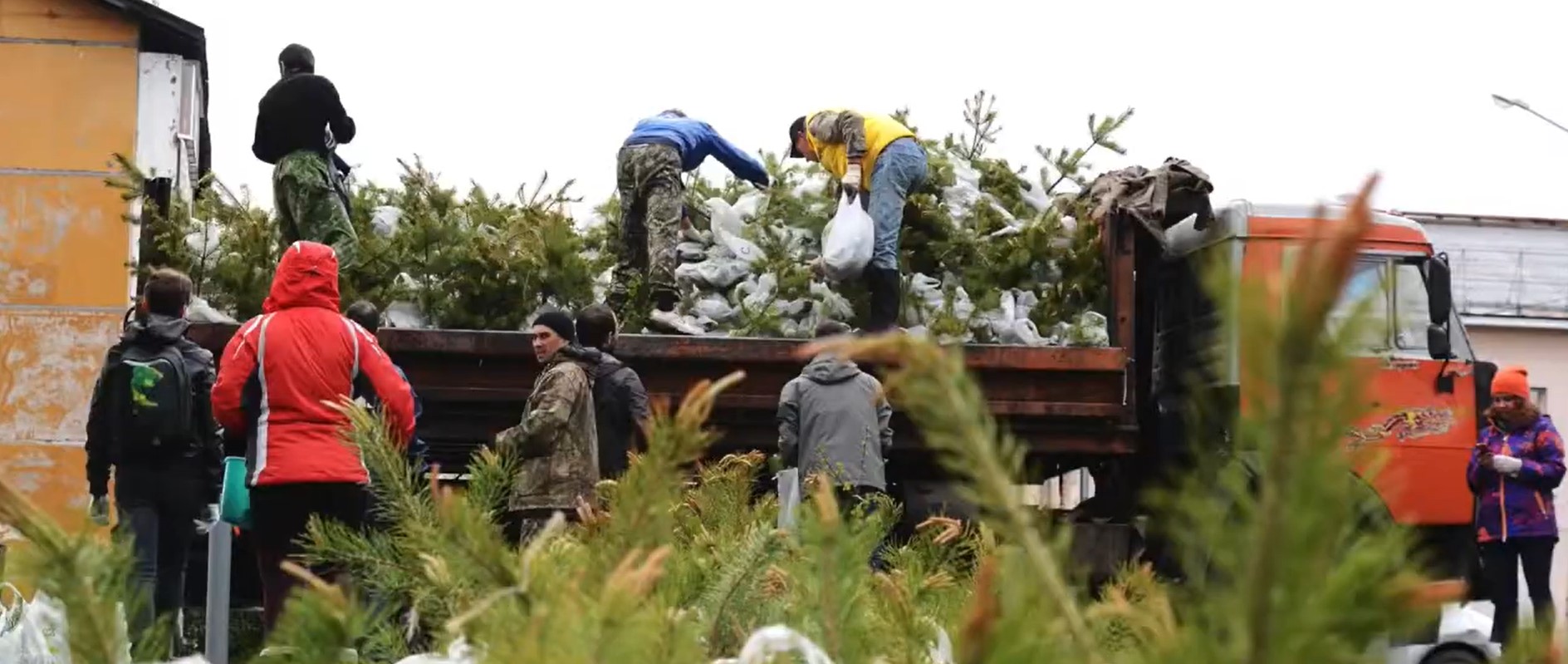
Photo by Yves Rocher Foundation
Natalya Eremeeva is the winner of the 2019 Terre de Femmes Russia Award. Through this support, she was able to expand her reforestation movement in Russia, helping restore forests damaged by human negligence, illegal deforestation, and forest fires. Starting from the restoration of a protected pine forest, her project grew into a nationwide movement that involved more than 26,000 people.
NESsT, through its programme NESsT Amazonia, supports Indigenous People and community-based enterprises in the Amazon by providing both financial and technical help. The programme focuses on building sustainable businesses, while also applying a gender-lens approach to ensure women can benefit from and participate in these opportunities.
Another example listed on FIRE is Women’s Earth Alliance (WEA), which supports women environmental leaders by providing training, funding opportunities and global networks. It helps women build capacity, develop projects and act on biodiversity. WEA also provides internship opportunities each year, creating more ways for women to get involved and gain experiences in environmental work.
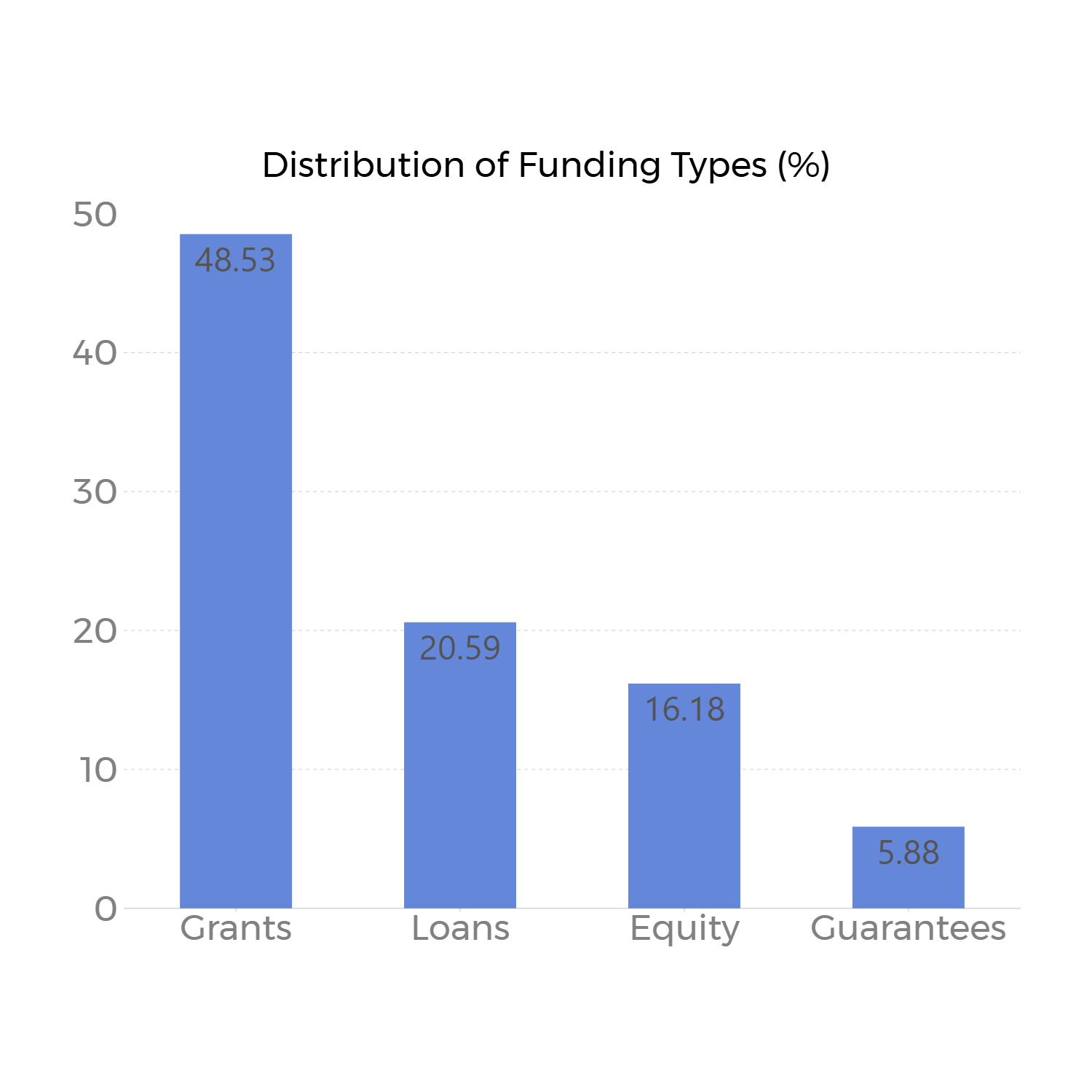
Overall, the women-focused opportunities on FIRE are mainly grants (48.53%), followed by loans (20.59%) and equity (16.18%).
Regarding the targeted region of the opportunities, global initiatives cover 31.8% of the portfolio. Latin America and the Caribbean and initiatives specifically targeting developing countries each account for 13.6% of the opportunities. Furthermore, at least one country in Africa and Asia is mentioned in 4.5% and 2.3% of the opportunities, respectively.
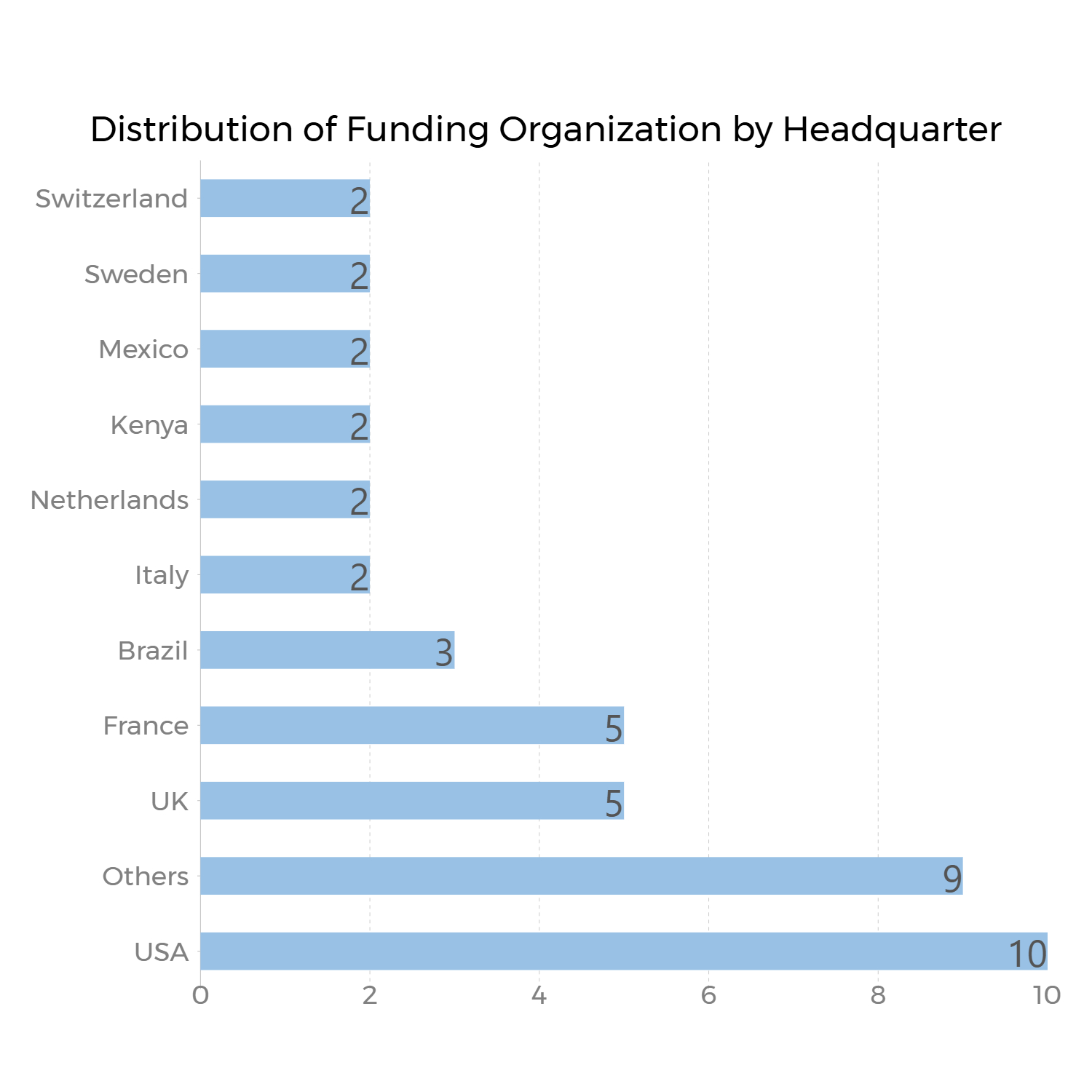 For the distribution of headquarters, the United States is the largest number of entities, with 10 organizations. Both France and the United Kingdom follow, each hosting 5 organizations. Brazil accounts for 3 organizations, while Italy, Kenya, Mexico, the Netherlands, Sweden, and Switzerland each account 2. The remaining 9 organizations are headquartered in different countries, each contributing 1 to the total.
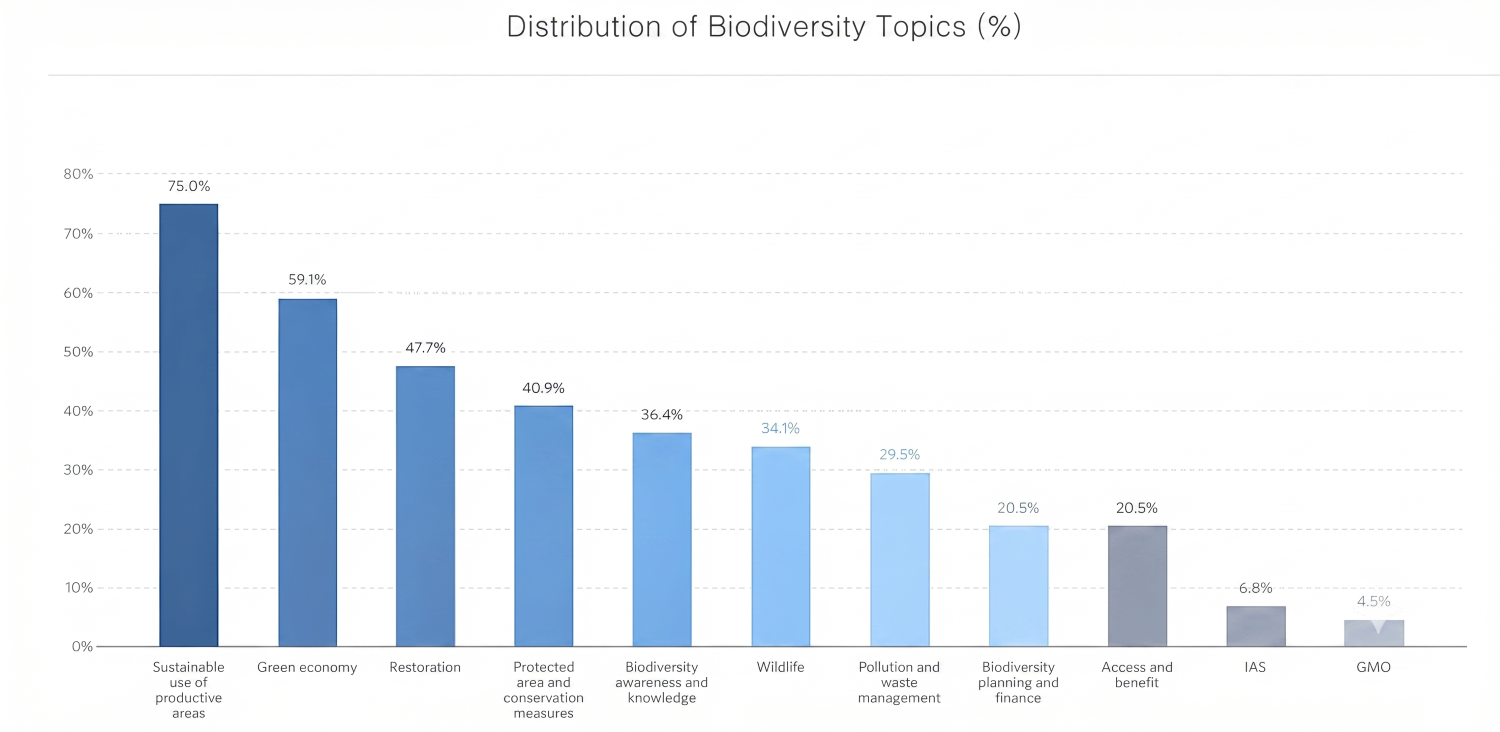
In the distribution of biodiversity topics, sustainable use of productive areas leads the biodiversity topics addressed by 75% opportunities, followed by green economy (59.1%) and restoration (47.7%). Mid-tier topics include protected areas and conservation measures (40.9%), biodiversity awareness and knowledge (36.4%), wildlife (34.1%), and pollution and waste management (29.5%). Ranking just below these are biodiversity planning and finance and access and benefit, both of which represent 20.5% of the total projects.
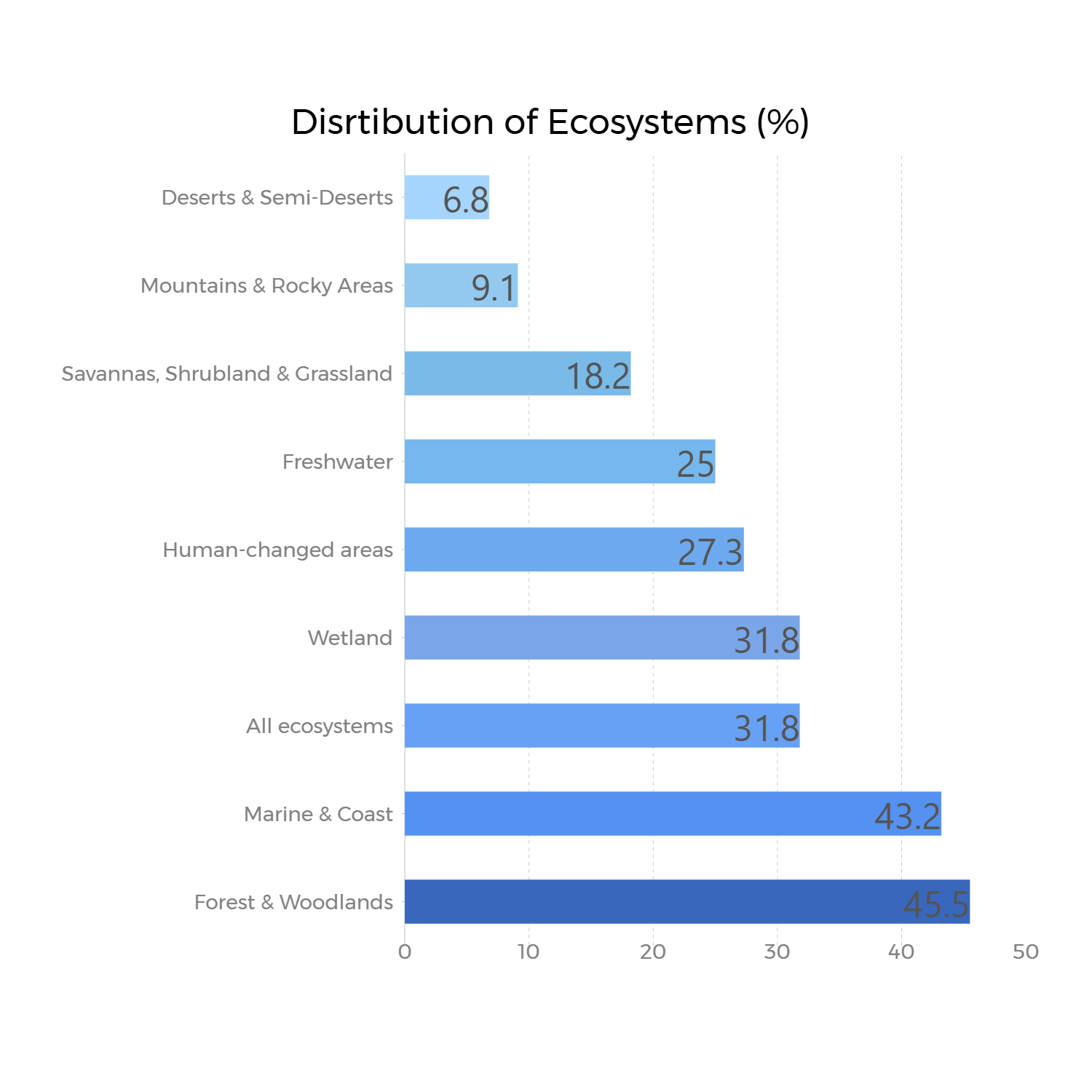 In the ecosystems section, Forest & Woodlands represent the most frequent target, addressed by 45.5% of the initiatives, followed by Marine & Coast at 43.2%. Nearly a third of the opportunities don’t have a specific ecosystem or focus on Wetlands (31.8% each). Other ecosystems included in the portfolio are Human-changed areas (27.3%), Freshwater (25.0%), Savannas, Shrubland & Grassland (18.2%), Mountains & Rocky Areas (9.1%), and Deserts & Semi-Deserts (6.8%).
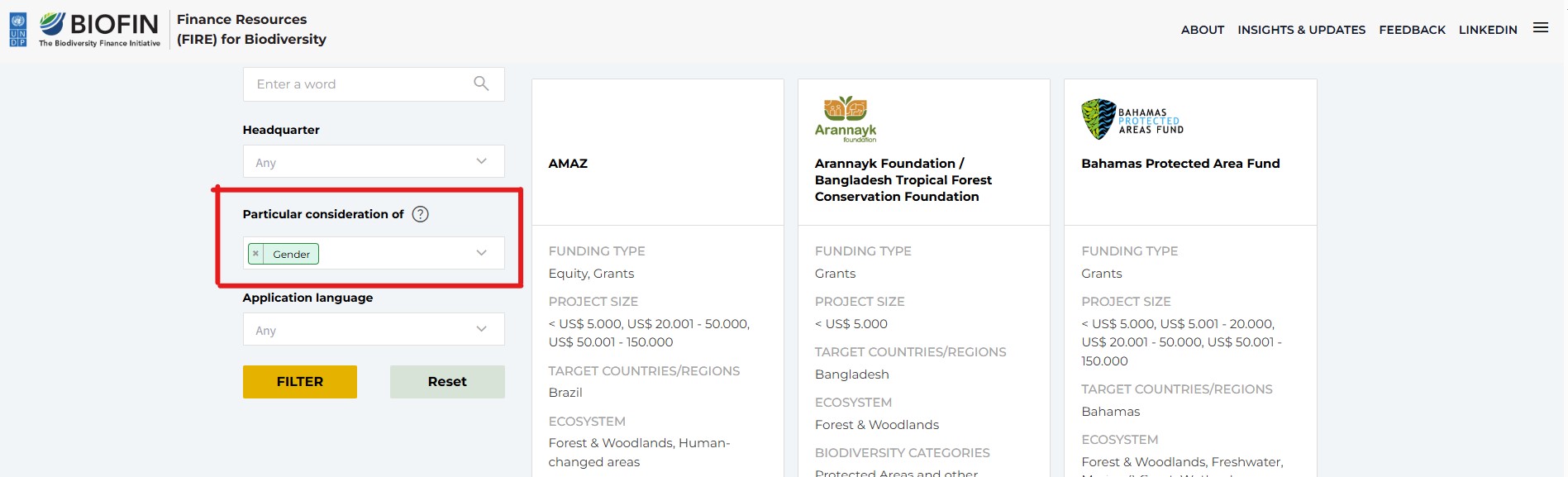
While these are specifically focused on supporting women, many other funding opportunities on the platform may also be relevant – they just not explicitly highlight it. Explore the FIRE platform and match the best funding opportunities for the project. Use the advanced filter to find those that do have a specific gender focus:
References
- FAO (2024). Rightfully HERS: Strengthening women’s participation in agriculture Rightfully (Link)
- FAO (2025). Statement at the HLPF 2025 Session on SDG 5 and interlinkages with other SDGs – Gender Equality (Link)
- UNCTAD (2021). COVID-19 shows need to close financial inclusion gender gap COVID-19 shows need to close financial inclusion gender gap (Link)
- World Bank. (2026). Women, Business and the Law 2026. Washington, DC: World Bank. (Link)
- UN WOMEN (2023). The world is failing girls and women, according to new UN report. (Link)
- UNDP BIOFIN (2026). Five ways gender-responsive finance can help close the biodiversity finance gap (Link)
- Costa Rica:
What indigenous startups in Costa Rica can teach the world about the future of eco-tourism (Link)
RAICES and BIOFIN launch the 3rd edition of the Indigenous Tourism Incubator in Costa Rica (Link) - Vietnam: When Women Lead, Communities and Reefs Thrive: Hòn Yến’s Story (Link)
- Mongolia: Woman leading the way: How one woman's leadership contributed to ecosystem restoration in Mongolia’s rural area (Link)
- Indonesia case source: Ranger power by UNDP Planet - UNDP Nature (Link)